
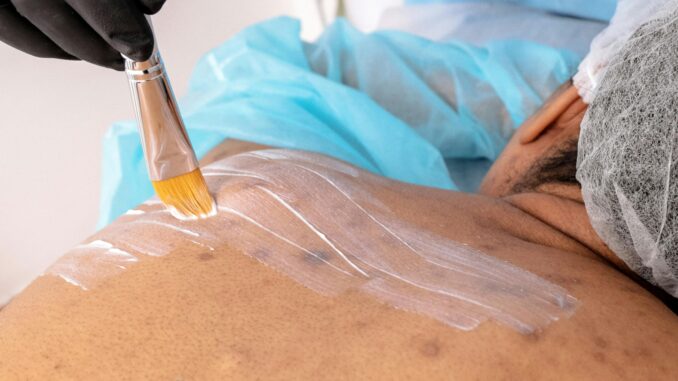
Body acne is a common concern for many people, often caused by excess oil, sweat, clogged pores, and friction from clothing. While exfoliation is widely recommended for maintaining smooth and refreshed skin, many individuals wonder whether it helps or worsens body acne. The answer depends on the method, frequency, and products used. When done correctly, exfoliation can support clearer skin, but improper techniques may contribute to irritation. Understanding the right way to exfoliate is key to seeing real benefits.
How Physical Exfoliation Affects Acne
A body scrub is one of the most popular exfoliating options. These grainy, textured products help remove dead skin cells from the surface, reducing the chances of pore blockage. However, not all scrubs are ideal for acne-prone skin. Harsh or overly abrasive formulas can create micro-tears or aggravate existing breakouts. To avoid irritation, choose a gentle scrub and limit its use to once or twice a week. This approach brightens the skin while helping prevent clogged pores, without causing unnecessary inflammation.
Benefits of Chemical-Based Cleansers
Some people prefer using targeted body washes for exfoliation. Those containing ingredients such as salicylic acid or glycolic acid offer chemical exfoliation, which can penetrate deeper into pores. These formulations dissolve excess oil, reduce congestion, and calm active breakouts. Chemical exfoliating washes are typically milder than physical scrubs and can be used more regularly depending on the skin’s tolerance. The key is to be consistent without overdoing it, as excessive exfoliation may strip natural moisture and trigger increased sensitivity.
Choosing the Right Products Matters
To maintain healthy skin while managing acne, it is important to select suitable body care products. Opt for formulas that are non-comedogenic, fragrance-free, and designed for breakout-prone areas. Lightweight lotions or gels containing soothing ingredients like aloe vera, niacinamide, or ceramides can help reinforce the skin barrier after exfoliation. Pairing the right exfoliant with hydrating body care ensures that the skin remains balanced and resilient. This reduces the risk of over-dryness or irritation, which can otherwise contribute to further breakouts.
Signs You May Be Over-Exfoliating
While exfoliation is beneficial in moderation, doing it too frequently can disrupt the skin’s natural barrier. Signs of over-exfoliation include redness, burning, tightness, and increased sensitivity. If you notice these symptoms, scale back immediately and focus on repairing the skin with calming moisturisers. Allowing the skin time to rest helps restore its natural defence against acne-causing bacteria.
How to Exfoliate Safely for Acne-Prone Skin
To exfoliate safely, always start with a gentle approach. Use lukewarm water, avoid applying too much pressure, and follow exfoliation with a hydrating moisturiser. Avoid combining multiple exfoliating products in a single routine, as this may lead to irritation. It is also advisable to wear breathable clothing and shower soon after workouts to minimise sweat-induced breakouts.
Final Thoughts
Exfoliating is not inherently bad for body acne—when done correctly, it can be incredibly helpful. The key lies in choosing suitable products, applying the right technique, and respecting your skin’s limits. With mindful exfoliation and supportive aftercare, achieving clearer and healthier-looking skin becomes much more attainable.
Leave a Reply
You must be logged in to post a comment.